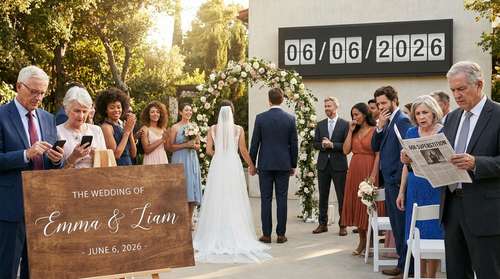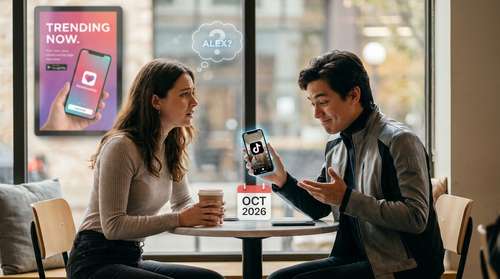

Over the past 48 hours, a massive cultural shift has dominated TikTok and Instagram feeds. Couples are quietly archiving their romantic photos in a viral movement dubbed the "Relationship Purge." The ultimate goal for these users is achieving the highly coveted Digital Dark relationship status. For years, the ultimate romantic flex was a highly curated "hard launch" complete with professional photography and lengthy captions. Today, publicizing your romance online is rapidly being branded as "loser behavior," signaling a desperate need for external validation rather than genuine affection.
This rapid pivot toward absolute relationship privacy isn't happening in a vacuum. It follows a widely discussed cultural claim over the weekend that treating your partner like a content prop is inherently low-status. Millions are now prioritizing private intimacy over digital validation, completely rewriting 2026 dating etiquette in a matter of days.
The Social Media Relationship Purge Explained
If you've noticed your feed looking surprisingly devoid of happy couples this week, you are witnessing the social media relationship purge firsthand. Influencers and everyday users alike are wiping their grids clean of anniversary posts, vacation selfies, and matching outfit videos. Going "Digital Dark" means your relationship exists entirely in the real world, leaving zero digital footprint for outsiders to consume, screenshot, or critique. The movement gained incredible momentum on Tuesday when several high-profile creators simultaneously wiped their relationship histories, sparking a wave of copycat purges across platforms.
Recent data perfectly contextualizes this sudden urge for privacy. A comprehensive 2026 Gen Z dating report by Hinge revealed that 84 percent of young daters are desperately craving deeper, real-world connections, actively moving away from the performativity that defined early 2020s dating culture. The performative nature of proving you are happy online has begun to feel exhausting and, frankly, artificial. People are realizing that the energy spent curating a relationship for the internet is better spent actually nurturing the connection behind closed doors.
Why Celebrities Delete Couple Photos First
The blueprint for this shift started at the top. When we analyze why celebrities delete couple photos, the answer rarely involves a dramatic breakup anymore. A-listers have realized that keeping their romantic lives strictly offline protects their peace, prevents parasocial interference, and elevates their mystique. By gatekeeping their intimacy, they transformed the hidden relationship into the ultimate status symbol. Now, the general public is adopting that exact same boundary, treating their own privacy with a fierce level of protection.
Why Posting Your Partner Is Officially 'Cringe'
Calling someone's romantic post "loser behavior" might sound harsh, but the sentiment is rooted in a changing psychological landscape. The consensus among Gen Z and younger millennials is that if you have to constantly prove your love to an audience of strangers, the connection probably lacks substance. The phrase "posting partner is cringe" trended heavily this week precisely because performative affection is now viewed as a massive red flag for insecurity. Users are actively mocking the classic "boyfriend appreciation post," labeling it a desperate cry for attention rather than an authentic display of love.
This aligns seamlessly with another movement peaking right now: the "6-7 dating" trend. As of early March 2026, young people are actively rejecting the chaotic pursuit of a "perfect 10" aesthetic partner for Instagram, instead seeking out relationships that offer emotional safety and stability. When your priority is genuine peace rather than a photogenic trophy to show off to your followers, the desire to broadcast your love life naturally evaporates. You stop caring about how the relationship looks and start caring exclusively about how it feels.
Gen Z Relationship Privacy and the New Dating Etiquette
Entering a Digital Dark relationship requires a mutual understanding of modern boundaries. The new 2026 dating etiquette dictates that your partner's face, name, and identifying details belong strictly offline. Soft launching—posting a cryptic shadow or two coffee cups—is still somewhat acceptable, but even that is teetering on the edge of being considered out-of-touch by privacy purists. The rule is simple: if people who don't text you regularly know exactly who you are dating, you are sharing too much.
Instead of matching pajama posts or elaborate surprise reaction videos, couples are building connections away from the algorithm. Dating intentionally is the new standard, with singles looking for shared values, lifestyle alignment, and clear communication signals rather than someone who simply matches their grid aesthetic. When you remove the pressure of performing for an audience, you are forced to actually look at the person sitting across from you. It eliminates the toxic ambiguity that thrives in digital spaces, demanding real-world accountability.
The Future of the Private Relationship Trend in 2026
The current relationship purge is more than just a fleeting aesthetic choice; it represents a fundamental correction in how we handle modern intimacy. We spent the last decade turning our personal lives into public entertainment, sacrificing our privacy for a fleeting dopamine hit of likes and comments. Now, the pendulum has violently swung in the opposite direction, favoring total secrecy.
Embracing a private relationship trend in 2026 is the ultimate declaration of confidence. It boldly states that you are secure enough in your bond that you don't need a hundred acquaintances to validate it. As this week's viral purge continues to clear the timelines of performative romance, one thing is abundantly clear: the most aspirational couples right now are the ones you know absolutely nothing about.