
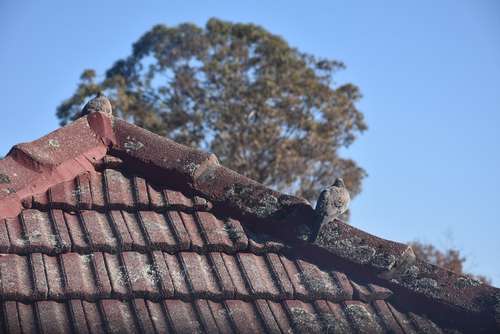
In the quiet, scenic town of Eagle, Idaho, residents are facing an issue usually reserved for much larger metropolitan areas. It seems that the acrobatic and elusive roof rat has decided to make its presence known, stirring up trouble and alarm in a community that never expected a big city pest issue. Life in the suburbs has suddenly taken on an edge of unexpected infestation, flipping the script on what people thought they knew about Idaho wildlife.
This rat problem has raised many questions among locals. How did a suburban community like Eagle come to experience the challenges of rodent control that are often seen in urban districts? The answer is as surprising as the quick and agile nature of the rat population itself. Everyday routines now come with caution and care, as residents adjust their lifestyles to accommodate a rodent issue that brings an unexpected twist to their day-to-day life.
The Emergence of an Unusual Rodent Issue
Residents in Eagle have been caught off guard by a rat infestation that is as startling as it is persistent. A wave of acrobatic roof rats has disrupted the typical quiet of suburban life, with sightings and close encounters becoming a topic of conversation at local cafés and community centers.
The anomaly of Idaho seeing a rat problem like this is a genuine puzzle. In many ways, these critters are symbols of urban pest issues. However, Eagle’s experience is a stark reminder that no place is truly immune. One morning, a community member woke up to find evidence of the mischief these nimble rodents can wreak. Overnight, quiet neighborhoods transformed into battlegrounds for an unexpected rodent invasion that has left residents both startled and curious.
Many locals have begun to realize that effective rodent management is not only about trapping but also about understanding the expansive behavior of these pests. With multiple entry points to homes and creative hiding spots, these rats have underscored how important public health and pest prevention measures are in any environment, regardless of the usual expectations of a rural setting.
Community Response and the Ripple Effects
The community in Eagle is rallying to address the challenges associated with this rat infestation. A collective spirit has emerged as neighbors share advice on securing homes, cleaning up potential food sources, and even discussing the need for professional pest control intervention. The local sentiment can be summed up as a mixture of urgency and determination.
It might seem strange that a tight-knit community experiences such a significant rodent issue. Yet, residents are quick to share stories about close encounters with the nimble acrobatic roof rat near backyards and porches, creating an environment of caution and communal problem-solving. One can sense the collective effort in grassroots meetings and social media groups dedicated to pest control, as neighbors exchange anecdotes about hidden nooks where these urban pests might be lurking.
These shared stories are more than just accounts of encounters; they serve as a call to action for wildlife management experts and county officials. Local government is taking the matter seriously, acknowledging that what was once considered an urban nuisance is now a pressing issue in Idaho's environment. People are asking, ‘What measures can be taken to avoid further public health risks and environmental impacts?’ Fortunately, communities across Idaho have been resourceful in implementing pest prevention and rodent management strategies commonly seen in larger cities.
Challenges of Pest Control in a Suburban Setting
The hunt for a solution has not been straightforward. While urban areas typically have more resources and strategies to tackle a rat infestation, a suburban setting like Eagle faces unique challenges. The local infrastructure and community layout focus more on nature and residential tranquility, not on high-intensity pest control measures. This mismatch has left homeowners scrambling to adapt typical pest control measures to their quieter neighborhoods.
One significant complication is balancing the need for effective rodent control with the preservation of the local environment. Tools often used in urban pest control may not be as well suited for an area where natural landscapes are treasured. Residents value a blend of modern pest management and wildlife management practices that protect their serene surroundings. The community is now exploring options that won't jeopardize the ecological character of Idaho, but will also manage the rat population effectively.
Local wildlife experts emphasize that any strategy adopted must consider both public health and the broader environmental impact. It’s a tough balancing act. For instance, using chemical pesticides might reduce the infestation but can harm local wildlife, affecting the Idaho environment. Thus, the dialogue around pest control is one that is rich with debate, comparisons, and a drive for innovative solutions.
Innovative Solutions and the Role of Local Authorities
Authorities and pest control professionals in Eagle are rallying behind an innovative approach to combat this rodent issue. The emphasis is on a comprehensive pest control plan that involves both immediate action and long-term strategies, including community awareness and environmental conservation. There is a recognized need for rodent management techniques that are specifically tailored to Idaho’s unexpected rodent problem.
County officials have started to consult with wildlife management experts who have experience handling urban rodents. The plan involves assessing the rat population, identifying high-risk areas, and implementing practical solutions like improved waste management and structural modifications. Local meetings are highlighting best practices, from securing garbage bins to sealing potential entry points in homes. These steps are crucial for both preventing further infestations and ensuring that the solution fits the character of Idaho’s suburban life.
The sentiment among local authorities is one of determination and community partnership. Many believe that working hand in hand with residents is the key to resolving this issue. It’s not just about elimination; it’s about understanding the natural balance and ensuring that pest issues do not overwhelm the community’s peace of mind. After all, every neighborhood wants to feel safe and preserve the natural beauty that defines Idaho.
What Lies Ahead for Eagle and Idaho
Looking towards the future, Eagle remains committed to embracing innovative approaches and community-driven initiatives to manage this rat infestation. The journey ahead will likely involve fine-tuning strategies, enhancing communication between residents and officials, and monitoring the long-term impacts on public health and local ecosystems.
Residents are hopeful that these efforts will not only curb the unexpected rodent issue but also pave the way for a more resilient approach to pest prevention in the suburban landscape. The situation serves as a cautionary tale that even smaller communities are not exempt from pest issues often found in big cities. It reminds us all that environmental challenges do not adhere to strict geographic boundaries.
In many ways, Idaho’s ongoing rat problem is a microcosm of the larger challenges faced by communities nationwide. It sparks debates on how best to balance aggressive pest control with ecological sensitivity, urging everyone involved to think outside the box while still respecting the area's natural heritage.
The future of Idaho’s pest control strategy now rests in innovative wildlife management, active community participation, and a commitment from local authorities who are well-aware of the significance of this issue. It’s a collaborative fight against an unexpected adversary, where every small action contributes to a broader victory over an unlikely enemy.
As Eagle continues to adapt, the community remains optimistic. They are handling the challenges head-on, proving that with creativity and cooperation, even the most unexpected rat problem can be managed. This resilient approach not only protects homes and public health but also preserves the unique charm of Idaho that residents hold dear.