
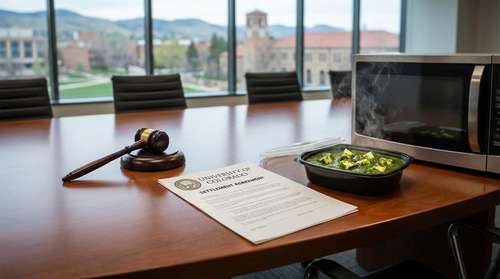
In a bizarre yet consequential legal turn, two former graduate students at the University of Colorado Boulder have secured a massive $200,000 settlement following a bitter dispute that began with a lunch of Palak Paneer. The conflict, which started as a complaint about "pungent" office food, spiraled into a federal civil rights lawsuit alleging discrimination and workplace retaliation. For Aditya Prakash and his partner Urmi Bhattacheryya, what started as a simple midday meal in the Anthropology Department evolved into a years-long battle over cultural respect and office microwave etiquette that has now made international headlines.
The "Pungent" Lunch That Started It All
The incident dates back to September 5, 2023, when Aditya Prakash, then a Ph.D. student, attempted to heat his homemade Palak Paneer in the department's shared microwave. According to court documents, an office administrator interrupted him, complaining that the smell was "pungent" and demanding he stop using the appliance. When Prakash reportedly asked for clarification on what foods were acceptable, he was allegedly told that "sandwiches" were fine, but "curry" was not.
Prakash stood his ground, stating, "It's just food. I'm heating and leaving." However, the friction didn't end in the breakroom. The couple alleged that this initial confrontation triggered a campaign of workplace retaliation. In the months that followed, they claimed they were stripped of teaching assistant positions, lost research funding, and saw their academic advisors resign en masse, effectively derailing their doctoral aspirations.
From Microwave Dispute to Federal Lawsuit
The escalation from a dietary disagreement to a civil rights battle highlights the often murky waters of office politics and cultural sensitivity. Prakash and Bhattacheryya filed a federal lawsuit in September 2025, accusing the university of violating their civil rights by creating a hostile environment and retaliating against them for reporting discrimination. They argued that the "pungent food" policy was selectively enforced and disproportionately targeted South Asian students.
Details of the $200,000 Settlement
After months of litigation, the University of Colorado agreed to settle the case for $200,000—approximately 1.8 crore rupees. As part of the agreement finalized recently, the university denied any liability or wrongdoing. The settlement terms also included:
- The awarding of Master's degrees to both students.
- A retroactive correction of their academic records.
- A permanent ban on the couple seeking future enrollment or employment at the university.
Workplace Retaliation and Cultural Bias
Legal experts note that this case serves as a potent reminder for employers about the legal risks of policing cultural norms in the workplace. The Palak Paneer lawsuit wasn't just about the smell of spinach and cheese; it was about the alleged systemic response that followed. The couple claimed that after filing formal complaints about the administrator's comments, the university's machinery turned against them rather than addressing the bias.
Bhattacheryya, who was also a doctoral candidate, stated that she was fired from her teaching post without explanation shortly after the dispute began. The lawsuit painted a picture of an institution that prioritized silencing complaints over fostering inclusivity. "My food is my pride," Prakash told reporters, emphasizing that labeling ethnic food as "pungent" while accepting other strong-smelling foods is a form of cultural othering.
Absurd Legal News 2026: A Precedent for Office Etiquette?
While the story might sound like a segment from absurd legal news 2026, its implications are serious. It challenges the unwritten rules of pungent food at work. HR departments across the country may need to revisit their breakroom policies to ensure they aren't inadvertently discriminating against specific cultures. If a microwave ban targets "curry" but ignores burnt popcorn or fish, it could be grounds for legal action.
For now, Prakash and Bhattacheryya have returned to India, closing the chapter on their American academic dreams but walking away with a significant financial victory and a Master's degree in hand. The University of Colorado Boulder maintains that it adheres to robust anti-discrimination processes, even as it cuts a six-figure check to resolve the matter.