There is a growing chasm between the boardroom and the checkout counter, and the internet has finally found a hilarious way to bridge it. What started as a single, incredibly awkward fast-food faux pas has rapidly evolved into a digital reckoning known as the CEO product challenge. Welcome to early March 2026, where the newest online obsession involves forcing billionaires and corporate leaders to use the very tools and food items they sell to the public.
Dubbed the "CEO Hunger Games," this movement is taking no prisoners. After a highly publicized misstep involving a massive new hamburger, everyday consumers are actively demanding that retail moguls and tech giants publicly navigate their own frustrating user experiences.
The Catalyst: The McDonald's Big Arch Fail
This entire phenomenon kicked off following the now-infamous McDonald's Big Arch fail. In a video originally posted to Instagram on February 3 and exploding across platforms in early March, McDonald's President and CEO Chris Kempczinski attempted to review his chain's newest massive menu addition. Rather than an enthusiastic display of appetite, the Chris Kempczinski viral video featured the executive bizarrely referring to the sandwich as a "product" before taking a cautious, microscopic nibble.
He sheepishly examined the towering burger—which features two quarter-pound beef patties, melted white cheddar, crispy onions, and a tangy signature sauce—remarking, "There's so much going on with this," while looking visibly uncomfortable. The internet wasted absolutely no time. Irish comedian Garron Noone ruthlessly roasted the clip, famously joking that the executive looked like "he'd try to read the ingredients on the back of a banana". The deeply awkward footage immediately birthed a relentless wave of corporate disconnect memes across Reddit and TikTok.
The Art of "CEO Beefing"
Rival executives smelled blood in the water and capitalized on the moment. Burger King North America President Tom Curtis fired back with a messy, authentic video of himself enthusiastically devouring a Whopper, completely unbothered by the mayonnaise left on his face. Smashburger president Jim Sullivan followed suit, dropping his own CEO taste test parody and declaring, "You only take big bites when it's great taste". This rapid-fire corporate trolling laid the groundwork for a much broader movement.
The "CEO Hunger Games" Expand to Tech
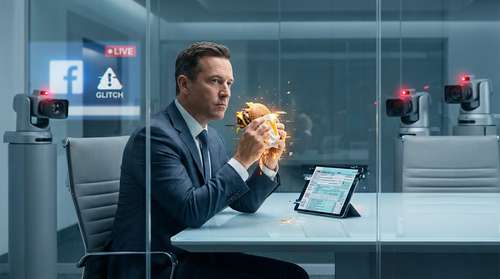
Fast food was merely the appetizer. The internet quickly realized that watching wealthy executives struggle with their own glitchy interfaces or convoluted services was premium entertainment. Social media users began drafting a wishlist of corporate leaders they want to see put to the test, demanding unedited, live-streamed usage of their platforms.
The rules of the challenge are simple but strict:
- No assistance from the IT department or corporate handlers.
- Execs must use the standard consumer version of the product, not an optimized internal build.
- The entire process must be captured on a single, uncut camera feed.
Leading the charge is the highly requested Intuit TurboTax challenge. Frustrated taxpayers are practically begging Intuit CEO Sasan Goodarzi to sit down and navigate the free tier of his company's software. The specific demand requires him to file a moderately complex return, complete with freelance 1099s and scattered business expenses, without accidentally hitting a paywall or upgrading to a premium tier. Given the annual headache millions face during tax season, the desire to watch the chief executive sweat through the same confusing prompts is palpable.
Microsoft's Turn in the Hot Seat
Software giants certainly aren't immune to the demands of the digital mob. A rapidly spreading viral thread challenges Microsoft CEO Satya Nadella to open a standard corporate Outlook account and attempt to locate a specific archived email from three years ago using only the native search bar. Anyone who has battled enterprise software understands exactly why this specific task resonates so deeply with the working public. The sheer friction of modern office applications has made the idea of an executive hopelessly clicking through their own dropdown menus incredibly cathartic.
Why This Dominates Social Media Trends 2026
You might wonder why this particular brand of digital vigilantism has captured the public's imagination so thoroughly over the last few days. As one of the defining social media trends 2026 has offered so far, this phenomenon highlights a genuine, deep-seated frustration with modern consumer experiences. When leaders are insulated from the friction of their own creations—be it an overly complex software interface, aggressive upselling tactics, or simply a massive fast-food item they wouldn't naturally eat—the disconnect becomes glaringly obvious.
The movement forces a unique brand of accountability through humor. Consumers are entirely exhausted by polished corporate speak, optimized marketing rollouts, and sanitized boardroom presentations. They want raw authenticity. If a company builds a digital maze, the architect should be able to navigate it seamlessly. If a restaurant sells a giant, sauce-heavy burger, the boss should be willing to take a real, messy bite out of it. Until executives start living the daily reality of their customer base, the internet will gladly keep hosting these relentless, highly entertaining public trials.