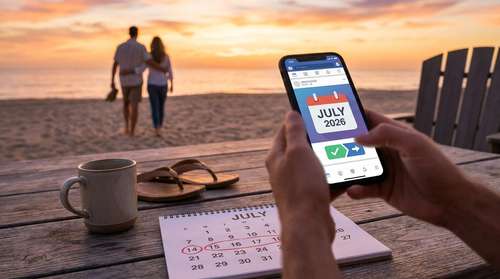

If your TikTok feed hasn't already been hijacked by the 777 relationship rule, it's only a matter of time. This latest viral relationship hack of 2026 claims to be the secret sauce for keeping the spark alive, but it's sparking a fierce debate instead. While influencers and relationship coaches swear by its rigid schedule as a cure-all for the "roommate phase," a growing chorus of critics is calling it a logistical nightmare that turns romance into a corporate spreadsheet. Is this structured approach to love the miracle cure modern couples need, or just another impossible standard to fail at?
What Is the 777 Relationship Rule?
At its core, the 7-7-7 rule is a deceptively simple framework designed to force intentionality into long-term partnerships. The premise is straightforward: couples must adhere to a strict calendar of shared experiences to prevent drifting apart. The breakdown goes like this:
- Every 7 Days: Go on a proper date night. No phones, no kids, just quality one-on-one time.
- Every 7 Weeks: Take a weekend getaway. This doesn't have to be Paris—a local Airbnb or camping trip counts, as long as it's an overnight escape.
- Every 7 Months: Go on a major vacation. This is the "big one"—a week-long trip to truly disconnect from daily life and reconnect with each other.
Proponents argue that this rhythm creates a "virtuous cycle" of anticipation and connection. "It takes the guesswork out of intimacy," explains relationship coach Julie Nguyen in a recent viral clip. "Instead of waiting for the 'right time'—which never comes—you build the time directly into your infrastructure."
Why It’s Trending: The Craze for Structured Intimacy
Why is this blowing up in late February 2026? We are living in an era of intentional dating. After the "situationship" epidemic of the early 2020s, dating trends in 2026 have pivoted hard toward clarity and commitment. Concepts like "hardballing" (stating expectations upfront) laid the groundwork, and the 777 rule feels like the natural evolution for established couples.
Fans of the method argue that spontaneity is a myth that kills relationships. By the time you "feel" like planning a vacation, you're already burnt out. The 777 rule acts as a forcing function. It ensures that quality time for couples isn't just a leftover scrap at the end of a busy week, but a non-negotiable priority. For many, the structure feels like a safety net—a guarantee that no matter how crazy work gets, the relationship won't be the thing that suffers.
The 'Project Management' of Love
There is also a psychological comfort in gamifying romance. In a world that feels increasingly chaotic, having a clear set of "rules" to win at marriage is appealing. It turns the nebulous goal of "being a better partner" into actionable, check-box steps. It’s TikTok relationship advice at its peak: catchy, numerical, and seemingly easy to replicate.
The Backlash: When Love Becomes a To-Do List
However, not everyone is buying it. A wave of memes has flooded social media, mocking the 777 rule as "corporate middle management for your marriage." Critics argue that the rigid schedule adds immense pressure to an already stressful life. "Nothing says romance like a Google Calendar invite sent six months in advance," one viral tweet read. "I can barely schedule a dentist appointment, and now I need to plan a mini-vacation every 49 days?"
The biggest hurdle, unsurprisingly, is privilege. The 7-7-7 rule meaning implies a level of disposable income and childcare support that many couples simply don't have. A weekend getaway every seven weeks? A major vacation every seven months? For parents of young children or couples on a tight budget, this isn't aspirational—it's alienating. It frames a healthy relationship as a luxury product that can be bought with plane tickets and hotel stays.
"It creates a hierarchy of connection where 'real' intimacy requires spending money," warns family therapist Dr. Sarah Ghavami. "If you can't afford the vacation, the rule makes you feel like you're failing your partner. That guilt is far more toxic than skipping a date night."
The Verdict: How to Hack the Hack
So, is the 777 rule genius or garbage? The answer likely lies in the middle—specifically, in customization. The rigid adherence to the numbers is where people falter, but the spirit of the rule is sound. The "viral" version might be 7-7-7, but the "realistic" version could be 1-1-1 (one date a month, one weekend a year, one big dream every decade) or simply adapting the concept of intervals without the price tag.
How to save a relationship rarely comes down to a specific travel itinerary. It comes down to the habit of turning toward each other. If you want to try the 777 rule without going broke or crazy, strip it down:
- 7 Days: A 20-minute walk without phones or a coffee on the porch.
- 7 Weeks: A day trip to a nearby town or a "staycation" where you send the kids to grandma's.
- 7 Months: A single overnight stay or just a mental "reset" weekend at home where chores are banned.
Ultimately, the best dating trends of 2026 aren't about following a script perfectly; they're about finding a rhythm that makes you feel seen. Whether you stick to the 777 rule or invent your own "2-2-2" or "5-5-5" variation, the goal remains the same: don't let your love life run on autopilot.