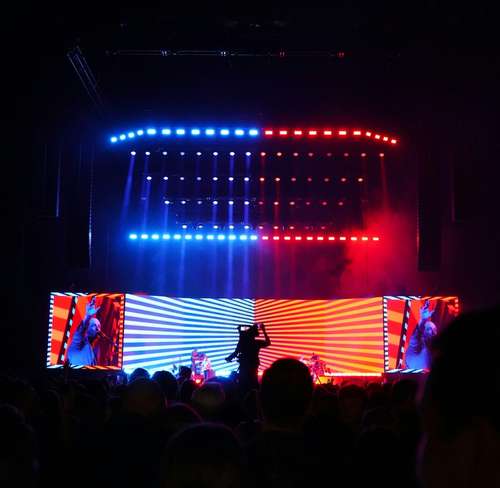
The dust has yet to settle on Super Bowl LX, but the real battle isn't between the Seahawks and the Patriots—it's between former President Donald Trump and global superstar Bad Bunny. In the days following the Puerto Rican icon's historic halftime show on February 8, 2026, a cultural firestorm has erupted, turning the NFL's biggest night into a political battleground. Trump's blistering critique of the mostly Spanish-language performance as a "slap in the face to our country" has ignited a viral debate about representation, language, and American identity.
The Truth Social Tirade That Started It All
While millions of fans were still celebrating Bad Bunny's high-energy set at Levi's Stadium in Santa Clara, Donald Trump took to Truth Social to unleash a scathing review. In a post that immediately went viral, the former president labeled the performance "absolutely terrible" and "one of the worst, EVER!"
Trump took particular aim at the linguistic choice of the show, which was performed almost entirely in Spanish—a first for a solo headliner in Super Bowl history. "Nobody understands a word this guy is saying," Trump wrote, adding that the choreography was "disgusting, especially for young children." He went on to characterize the show as an "affront to the Greatness of America," claiming it failed to meet the nation's standards of excellence. The post concluded with a familiar grievance, suggesting the show was a distraction from his own political achievements.
Bad Bunny's Message: Unity Over Division
Despite the vitriol from Mar-a-Lago, Bad Bunny (born Benito Antonio Martínez Ocasio) delivered a performance that many critics are calling a masterclass in cultural pride. The 13-minute set featured a cavalcade of hits, a surprise appearance by Lady Gaga for a bilingual duet, and a visual spectacle that paid homage to Puerto Rican heritage.
Contrary to Trump's claims of it being un-American, the performance was laced with symbols of unity. At the show's climax, Bad Bunny held aloft a football emblazoned with the message: "Together, we are America." Behind him, a massive LED screen displayed the phrase, "The only thing more powerful than hate is love." While he didn't mention Trump by name, the subtext was clear, especially following his "ICE out!" declaration at the Grammys just a week prior.
The Kid Rock Counter-Programming
The feud didn't happen in a vacuum. In the lead-up to the game, rumors swirled that Trump would boycott the halftime show entirely. True to form, he endorsed an alternative: the "All-American Halftime Show" organized by Turning Point USA, featuring Kid Rock. White House Press Secretary Karoline Leavitt had previously stated that the President would "much prefer" the rock-rap veteran over the global Latin trap star.
A Nation Divided: Reactions Pour In
The controversy has split the internet and political landscape down the middle. California Governor Gavin Newsom wasted no time in countering Trump's narrative, declaring Super Bowl Sunday "Bad Bunny Day" in California and praising the performance as "beautiful." On social media, fans and cultural critics argued that an all-Spanish set reflects the reality of a modern, diverse America.
"He's the biggest star in the world right now," said one viral tweet. "Asking him to sing in English is like asking the Super Bowl to be played with a soccer ball." Meanwhile, conservative commentators have rallied behind Trump, echoing his sentiments that the show alienated English-speaking viewers.
Why This Feud Matters Now
This clash is more than just celebrity drama; it highlights the deepening cultural rift in the United States as we move further into 2026. With Bad Bunny refusing to back down—letting his record-breaking numbers and message of inclusivity speak for themselves—and Trump using the moment to rally his base, the Super Bowl LX halftime show will likely be remembered less for the music and more for the lines it drew in the sand.