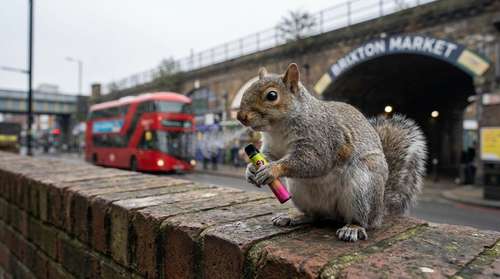
London's parks have always been home to cheeky wildlife, but a new phenomenon is turning heads and breaking the internet. Footage of vaping squirrels in South London has rapidly transformed from a local oddity into a global spectacle, amassing tens of millions of views across social media platforms by late March 2026. What started as a seemingly hilarious moment of a rodent clutching a brightly colored e-cigarette has quickly sparked an urgent conversation about the severe hazards our discarded habits pose to nature.
The Brixton Animal Videos That Broke the Internet
The most prominent clip rocketing across feeds was filmed in a park in Brixton. In the footage, a surprisingly brazen grey squirrel is perched confidently on a wooden fence, clasping a disposable vape between its tiny paws and nibbling on the plastic mouthpiece. The sheer absurdity of the visual immediately cemented it as a cornerstone of weird world news 2026.
Audiences naturally reacted with humor. Memes flooded Twitter and TikTok, layering the footage with hip-hop tracks and jokes about the stresses of modern city living. This viral London squirrel joins a bizarre pantheon of internet-famous animals. However, while the digital world collectively chuckles at these Brixton animal videos, wildlife experts are far less amused by the trend.
Why Are Rodents Drawn to E-Cigarettes? Understanding Urban Wildlife Behavior
Why would a creature entirely disconnected from human vices suddenly pick up an e-cigarette? According to Craig Shuttleworth, a red squirrel expert at Bangor University, the answer lies in the intense, artificial aromas. Today's disposable vapes emit strong, sugary scents—think blueberry, watermelon ice, and strawberry kiwi—that easily confuse hungry foragers.
'In the old days, you'd see lots of discarded cigarette butts, but I don't remember squirrels running around with them,' Shuttleworth observed. The fruity flavor profiles make modern e-cigarettes far more enticing than traditional tobacco. This shift in urban wildlife behavior demonstrates how closely animal adaptation is tied to human waste. The squirrels aren't initially seeking a chemical buzz; they are simply following their noses toward what they mistakenly believe is a sweet treat.
The Dangers of Microplastics and Electronic Waste
Beyond the initial attraction, gnawing on these devices introduces synthetic materials directly into their digestive tracts. Shuttleworth pointed out that the rodents easily consume microplastics while trying to crack into the durable outer casings of the vapes, adding an entirely new layer of risk to their diet. The UK Government has previously warned that incorrect disposal of vapes releases electronic and hazardous chemical waste directly into the environment. When carelessly tossed onto a park lawn or left on a public bench, the lithium batteries inside them can degrade, potentially leaking corrosive materials into the soil. This environmental degradation is a steep price to pay for temporary convenience.
The RSPCA Vape Warning: A Hidden Ecological Threat
As the videos continue to rack up millions of views, the continent's leading animal welfare organizations are stepping in. An urgent RSPCA vape warning was issued to remind the public that discarded e-cigarettes are essentially toxic time bombs. These colorful gadgets contain a lethal trifecta for small animals: hard plastics, heavy metals like lithium from the batteries, and highly concentrated liquid nicotine.
While the internet might joke about nicotine addicted wildlife, the reality of the situation is grim. Nicotine is a potent natural pesticide. Ingesting even a small amount of the liquid residue trapped inside a discarded pod can cause severe illness or fatal poisoning in rodents and birds. Smaller species simply do not have the metabolic tools to process these toxins. The Veterinary Poisons Information Service has recorded hundreds of cases of domestic pets falling ill from similar exposures, and wild foragers face those exact same risks without any access to medical intervention.
Rethinking How We Treat Our Shared Spaces
The meteoric rise of the vaping squirrels trend highlights a massive blind spot in our environmental consciousness. We often recognize the dangers of plastic rings or glass bottles, but the surge in single-use electronics has created a new category of hazardous litter. Millions of disposable vapes are thrown away every week, transforming community green spaces into minefields of electronic waste.
Animal welfare staff deal with thousands of incidents every year where creatures have been injured or trapped by careless littering. From foxes getting their heads stuck in plastic bottles to water birds entangled in discarded toys, urban wildlife already faces an uphill battle for survival. The introduction of flavored e-cigarettes is simply the newest, and perhaps most deceptive, threat to enter their ecosystem.
The RSPCA explicitly urges citizens to treat these items as electrical hazards rather than harmless everyday trash, advising people to hold onto their litter until it can be disposed of safely and responsibly. Ultimately, what appears to be a lighthearted moment of internet comedy is actually a sobering reflection of human negligence. As we navigate the spring of 2026, the viral fame of these Brixton locals should serve as a wake-up call. Ensuring our parks remain safe habitats requires us to realize that our trash doesn't disappear just because we walk away from it—sometimes, it ends up in the paws of a curious squirrel just looking for its next meal.