A harrowing viral video capturing federal agents dragging a woman from her car in Minneapolis has ignited a firestorm of controversy nationwide, intensifying the already explosive standoff between local residents and federal immigration enforcement. The incident, which occurred on Tuesday, January 13, 2026, involves Aliya Rahman, a disabled U.S. citizen who was forcibly removed from her vehicle by masked agents while pleading that she was on her way to a medical appointment. The footage has garnered millions of views, becoming a flashpoint in the ongoing debate over the Trump administration's aggressive "Operation Metro Surge" in the Twin Cities.
Minneapolis Viral Video ICE Incident: What the Footage Shows
The Minneapolis viral video ICE encounter took place on a residential street near 34th Street and Park Avenue. In the chaotic footage, multiple federal agents wearing tactical gear and face masks surround a black sedan. Amidst a cacophony of car horns, whistles, and screams from bystanders, agents are seen smashing the passenger-side window of Rahman's vehicle.
As the glass shatters, agents reach inside to cut Rahman's seatbelt before forcibly pulling her out through the driver's side door. Rahman, who has identified herself as autistic and suffering from a traumatic brain injury, can be heard screaming, "I'm disabled! I'm trying to go to the doctor up there, that's why I didn't move!" Despite her pleas, agents drag her across the pavement and carry her by her arms and legs toward an unmarked van.
Witnesses at the scene, many of whom were blowing whistles as part of a neighborhood warning system against ICE raids, yelled at the agents to stop. "Where is your humanity?" one bystander is heard shouting in the viral arrest footage. The intensity of the force used against a woman claiming a medical disability has drawn immediate condemnation from civil rights groups and local officials.
Conflicting Accounts: DHS vs. Aliya Rahman
The incident has led to sharply conflicting narratives between federal authorities and the victim's legal representatives. The Department of Homeland Security (DHS) released a statement describing Rahman as an "agitator" who was intentionally obstructing an enforcement operation targeting a 20-year-old foreign national.
According to DHS, Rahman "ignored multiple commands by an officer to move her vehicle away from the scene." Officials assert that her refusal to move blocked federal vehicles, necessitating her removal. They also dispute her claims of mistreatment, stating she was arrested alongside six others for obstruction.
However, Rahman's attorney, Alexa Van Brunt of the MacArthur Justice Center, paints a different picture of the Minneapolis arrest video 2026. In a statement released Thursday, Van Brunt explained that Rahman was "trapped in an impossible situation." Fearing she might accidentally injure agents or protesters if she moved her car in the chaotic environment, Rahman froze. "Her only options were to move her car forward... or stay stationary, which in the end led to physical violence and abuse," Van Brunt stated.
Rahman alleges she was denied medical care while in custody, eventually losing consciousness in her cell before finally being taken to a hospital. She was treated for injuries consistent with assault.
Context of Fear: The Renee Nicole Good Shooting
The outrage surrounding this incident is compounded by the fatal shooting of Renee Nicole Good, a 37-year-old woman killed by an ICE agent in Minneapolis just days prior, on January 7. Good's death had already plunged the city into a state of unrest, with daily protests and a heightened police presence.
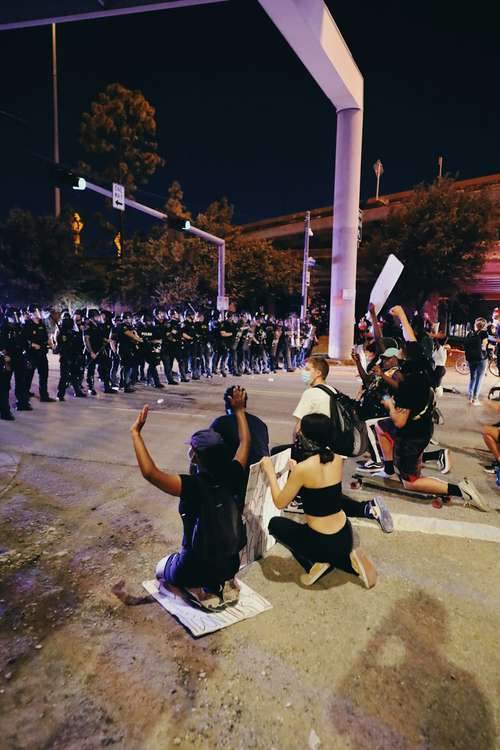
Residents describe the atmosphere in Minneapolis as a "federal invasion," with reports of thousands of federal agents patrolling neighborhoods as part of the crackdown. The immigration enforcement controversy has reached a boiling point, with local police and federal agents frequently clashing with protesters who use "whistle lines" to alert undocumented neighbors of raids.
Other Recent Incidents Fueling Tension
Rahman's arrest is not an isolated event. Reports have surfaced of other aggressive tactics this week, including:
- The Garrison Gibson Raid: A viral video showed agents using a battering ram to enter the home of Garrison Gibson, a Liberian national, while his terrified family watched. Agents reportedly entered without a judicial warrant.
- Target Store Detentions: Two U.S. citizens were detained at a Target in Richfield, mistakenly identified as targets before being released.
- Shooting of Venezuelan Man: On Wednesday, a federal agent shot a Venezuelan man in the leg during an arrest, claiming the man attacked him with a shovel—a claim disputed by some witnesses.
Political Fallout and "Operation Metro Surge"
The escalating violence has drawn sharp political lines. Minnesota Governor Tim Walz and Minneapolis Mayor Jacob Frey have decried the federal tactics as reckless, accusing the Trump administration of weaponizing immigration enforcement to sow chaos in Democratic cities. Mayor Frey stated, "We cannot counter chaos with our own brand of chaos," rejecting DHS claims that local rhetoric is to blame for the hostility.
In response to the Minneapolis protest news today, President Trump has threatened to invoke the Insurrection Act, which would allow the deployment of active-duty military troops to quell the unrest. "If the corrupt politicians of Minnesota don't obey the law... I will institute the INSURRECTION ACT," the President posted on social media Thursday.
As legal challenges mount and protests continue, the video of Aliya Rahman being dragged from her car serves as a potent symbol of the deep fractures in America's current immigration enforcement strategy. For now, Minneapolis remains a city on edge, waiting to see if federal de-escalation or further crackdown will follow.