New York City entered a new political era this week as Zohran Mamdani, the city's first socialist mayor, officially began his tenure. The Zohran Mamdani NYC Mayor administration kicked off with a symbolic and unconventional inauguration that has set the tone for what he promises will be a "government for the working class." Sworn in at the stroke of midnight in the decommissioned Old City Hall subway station, Mamdani's ascent to the city's highest office marks a radical departure from his predecessors and a significant victory for NYC progressive politics.
A Historic Ceremony: Subway Swearing-In and Socialist Roots
Breaking with tradition, Mamdani chose not to hold his private swearing-in at a glitzy venue or a police precinct, but deep underground. Standing in the historic Old City Hall subway station—a nod to his signature campaign promise of "fast and free" public transit—he took the oath of office on a Quran, becoming the first Muslim and first South Asian mayor in the city's history. This unique choice underscored his commitment to the city's transit riders and working-class commuters.
The public NYC Mayor inauguration 2026 ceremony followed on the steps of City Hall, attended by national progressive icons including Senator Bernie Sanders and Representative Alexandria Ocasio-Cortez. "We are here to finish what we started," Mamdani declared to a cheering crowd, framing his victory not just as a local win but as a beacon for the national socialist movement. The event, described by supporters as the "Inauguration of a New Era," featured a block party atmosphere that contrasted sharply with the formal pomp of previous administrations.
The "People's Agenda": Rent Freezes and Free Buses
Now that Mamdani takes office, all eyes are on his ambitious policy platform, dubbed the "People's Agenda." Central to his vision is the controversial but popular proposal to freeze rents for millions of New Yorkers. Mamdani has argued that housing is a human right, not a commodity, and has pledged to challenge the Rent Guidelines Board to enact a freeze—a move that has already sparked fierce debate with the real estate industry.
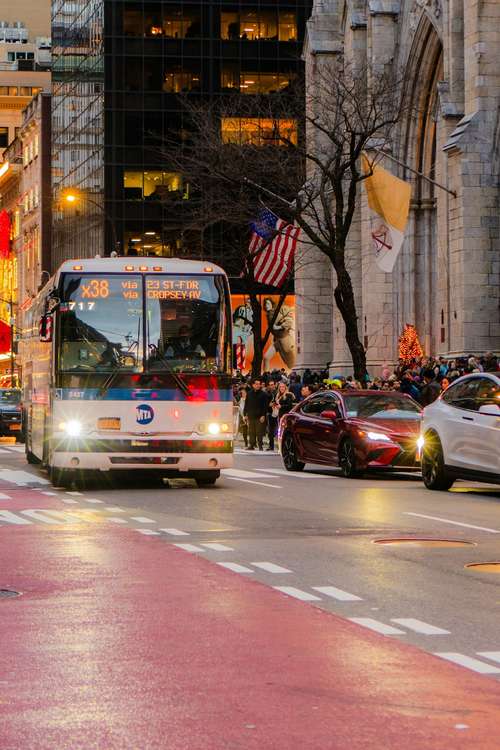
Transportation remains a cornerstone of his administration. Building on his "Fix the MTA" advocacy in the State Assembly, Mayor Mamdani reiterated his plan to eliminate fares on city buses, estimating the cost at $600-$800 million annually. He argues this will speed up service and put money back into the pockets of commuters. Additionally, his platform includes the creation of municipal grocery stores to combat food inflation and a universal childcare program for children aged six weeks to five years.
Public Safety and Community Care
Perhaps the most scrutinized aspect of the New York City socialist mayor's platform is his approach to public safety. Mamdani has moved to establish a "Department of Community Safety," which prioritizes mental health professionals and social workers over traditional policing for non-violent emergency calls. This shift aims to address the root causes of crime, though it faces skepticism from moderate Democrats and the police union.
Political Hurdles: Funding and Opposition
As NYC political news 2026 dominates headlines, the practical challenges of Mamdani's idealism are becoming clear. The new mayor faces a potential showdown with Governor Kathy Hochul and the state legislature regarding funding. His proposals, particularly the free bus pilot and expanded social services, require significant state aid or new tax revenues, such as his proposed tax on the wealthy—measures that the Governor has historically been hesitant to embrace.
Critiques also loom from the business sector and segments of the Jewish community. While Mamdani has significant support among younger Jewish voters, older demographics have expressed concern over his staunch criticism of Israel and his support for the BDS movement. A recent poll highlighted a stark generational divide, with younger voters embracing his foreign policy stances as "principled" while older voters view them with apprehension. Mamdani has sought to bridge this gap by promising to be a mayor for "all New Yorkers" while remaining firm in his anti-war convictions.
The Road Ahead for Mayor Mamdani
The first week of the Mamdani administration has already seen flurry of activity, from appointing a transition team of over 400 diverse New Yorkers to issuing executive orders aimed at tenant protections. His administration's success will likely hinge on his ability to deliver tangible results—like the "bump" fix on the Williamsburg Bridge his team highlighted this week—while navigating a hostile federal environment and a skeptical fiscal landscape.
As Zohran Mamdani settles into City Hall, the stakes are incredibly high. His mayoralty is being watched globally as a test case for democratic socialism in a major American metropolis. Whether he can translate campaign energy into effective governance will define not just his legacy, but the future trajectory of the American Left.