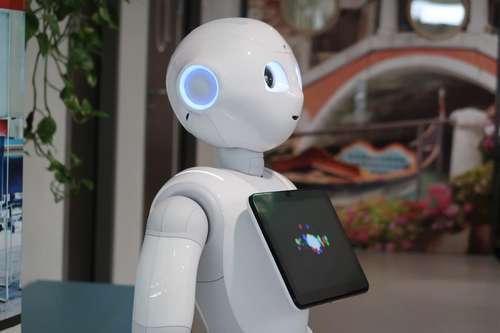
If CES 2026 has a single defining flavor, it is the taste of science fiction finally becoming mundane reality. As the Las Vegas convention enters its peak today, January 8, the buzz on the show floor isn't just about faster chips or brighter TVs—it's about Physical AI. The era of chatbots trapped in screens is ending; technology is now growing, rolling, and cuddling its way into our living rooms. While NVIDIA’s Jensen Huang dominates the headlines with the infrastructure of tomorrow, the viral hits breaking TikTok are the gadgets that feel almost biological in their ability to adapt to us.
The Shape-Shifter: Lenovo’s Legion Pro Rollable
The undisputed king of CES 2026 viral gadgets is a laptop that refuses to stay one size. Lenovo has a history of experimental form factors, but the Lenovo rollable laptop concept, specifically the Legion Pro Rollable, has stopped attendees in their tracks. Unlike the foldable screens of the early 2020s which simply bent, this device physically grows.
At the touch of a button (or a specific key combo), the standard 16-inch display unfurls horizontally. A motorized system extends the screen first to a 21.5-inch "Tactical Mode" and then to a massive 24-inch "Arena Mode" with a 24:9 aspect ratio. TikTok users are losing their minds over the mechanical whir as the screen expands, transforming a backpack-friendly device into a full immersive battlestation. It’s not just a party trick; it solves the eternal conflict between portability and the need for massive screen real estate in esports.
Alongside the gaming beast, the ThinkPad Rollable XD concept offers a similar trick for the business crowd, proving that dynamic hardware is the next major frontier in personal computing.
The Rise of 'Affectionate Intelligence'
While screens are getting bigger, our digital companions are getting cuter. The term "AI companion pet" has shed its dystopian reputation this year, replaced by what LG calls "Affectionate Intelligence." The standout star is Ecovacs' LilMilo, a robotic creature that looks suspiciously like a fluffy terrier on wheels. Unlike previous robotic dogs that felt cold and industrial, LilMilo uses advanced multi-sensory perception to mimic genuine pet behavior, following owners and reacting to emotional cues.
Japanese startup Ludens AI is also capturing hearts with Cocomo, a warm, egg-shaped companion designed to be hugged. It maintains a temperature of 98.6°F, rising slightly when embraced to simulate a living creature. These devices aren't trying to replace utility robots; their sole function is emotional bandwidth. They are the physical embodiment of the chatbots we’ve spent the last three years talking to.
The Disappearance of Ballie
However, not every robot made the cut. In a surprising twist for future smart home technology, Samsung’s beloved yellow robot ball, Ballie, is missing from the show floor. Reports confirm Samsung has shelved the consumer launch, repositioning Ballie as an internal "innovation platform." Its absence serves as a sobering reminder: building a cute prototype is easy; mass-producing a helpful autonomous agent is incredibly hard.
TikTok’s Anti-Tech Obsession: The Dreamie
Ironically, one of the top TikTok tech trends 2026 is a device designed to make you use less technology. Amidst the high-tech noise, the Ambient Dreamie has gone viral for being a "dumb" device. It’s a phone-free sleep aid—a sunrise alarm and sound machine that requires no app and no subscription.
In a world of "Physical AI" and hyper-connectivity, the Dreamie resonates with a generation exhausted by doomscrolling. It represents a counter-movement visible throughout CES 2026: technology that respects human boundaries rather than demanding constant attention.
The Verdict: Best of CES 2026
From the motorized expansion of Lenovo’s screens to the empathetic chirps of LG’s CLOiD robot, the best of CES 2026 proves we are moving past the "smart" era into the "agentic" era. Devices are no longer passive tools waiting for input; they are active participants in our physical space. Whether that means a laptop that sizes itself up for a game or a robot that knows when you need a hug, the message from Las Vegas is clear: the future isn't virtual anymore. It's physical, and it's already here.