
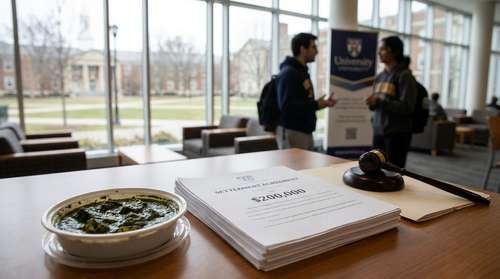
In a bizarre yet consequential turn of events at the University of Colorado Boulder, a simple lunch of palak paneer has led to a massive legal payout. Two former graduate students, Aditya Prakash and Urmi Bhattacheryya, have been awarded a $200,000 Palak Paneer lawsuit settlement after a years-long battle that began with an office microwave and ended with allegations of discrimination. The dispute, which started over a complaint about "pungent" cooking smells, quickly spiraled into a heated debate about cultural identity and workplace rights, securing a significant victory for the students just days ago.
From Lunch Break to Legal Battle
The saga began on September 5, 2023, in the Anthropology Department at the University of Colorado. Aditya Prakash, a Ph.D. student at the time, was heating up a homemade dish of palak paneer—a popular North Indian curry made with spinach and cottage cheese—in the department's shared kitchenette. According to the federal civil rights lawsuit filed by the couple, an administrative assistant interrupted his lunch preparation to complain that the food smelled "pungent."
The situation escalated when Prakash was allegedly told there was an unwritten office policy against microwaving foods with "strong odors." When he pressed for clarification on what foods were acceptable, the response was stark: sandwiches were fine, but "curry" was not. This distinction became the crux of the students' argument, transforming a petty office grievance into a serious case of alleged food shaming in the office and racial discrimination.
Allegations of Retaliation and "Food Racism"
Following the initial confrontation, matters worsened significantly for Prakash and his partner, Urmi Bhattacheryya, who was also a doctoral candidate in the same department. The couple alleged that after they pushed back against the pungent food office ban, they faced a campaign of systematic retaliation. This wasn't just about uncomfortable stares; the lawsuit claimed their academic funding was threatened, and they were stripped of teaching assistant positions.
In a move that garnered significant attention, the couple and fellow students organized a "silent protest" shortly after the ban was verbalized, heating up various Indian dishes in the same microwave to assert their right to their cultural cuisine. This act of defiance was cited in their complaint as a trigger for further administrative hostility, with faculty members allegedly resigning from their advisory committees. Prakash later described the experience as "food racism," a term that has since sparked intense debate across social media and academic circles regarding the policing of ethnic foods in professional spaces.
The Terms of the $200,000 Curry Settlement
After nearly two years of legal wrangling, the University of Colorado student news cycle is now dominated by the details of the settlement, finalized recently. While the university continues to deny any liability or wrongdoing, stating they adhered to all established procedures for handling discrimination claims, they agreed to a payout of $200,000 to resolve the matter.
Mixed Victory for the Students
The resolution is bittersweet. Alongside the financial compensation, both Prakash and Bhattacheryya were retroactively awarded their Master's degrees—credentials they argued were wrongfully withheld during the dispute. However, the settlement comes with a strict condition: a permanent ban from the University of Colorado. The couple is prohibited from ever seeking employment or re-enrollment at the institution, effectively ending their academic careers there. Both have since returned to India, stating that the environment had become too hostile to continue their studies in the United States.
A Broader Conversation on Office Culture
This case serves as a potent example of weird news 2026, highlighting how quickly modern workplace disputes can evolve into major civil rights litigation. It raises uncomfortable questions about "smell policies" in shared workspaces and who gets to decide what constitutes an "offensive" odor. Legal experts suggest this Aditya Prakash settlement could set a precedent for how institutions handle microaggressions related to cultural practices.
For many, the $200,000 figure is less about the money and more about the validation of their experience. "It was about dignity," Prakash noted in a statement following the news, emphasizing that no student should be penalized for the cuisine they consume. As offices become increasingly diverse, this costly bowl of spinach curry serves as a reminder that inclusion extends to the breakroom microwave.