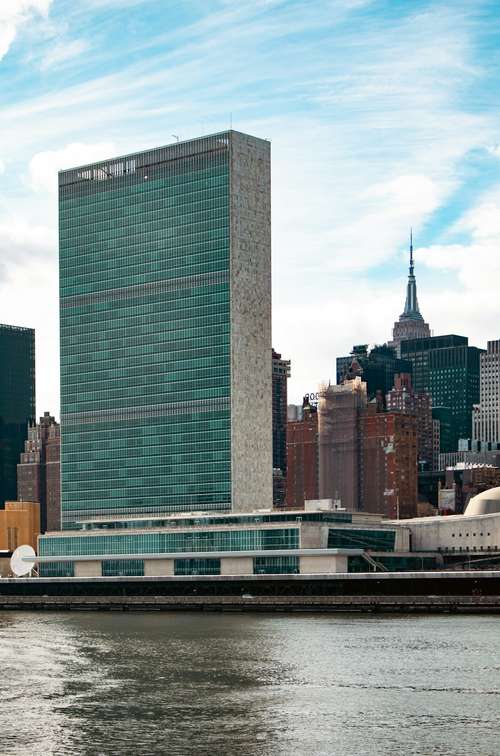
WASHINGTON, D.C. — In a seismic shift for geopolitical relations, President Donald Trump has plunged the international community into a state of uncertainty by signing a sweeping executive order withdrawing the United States from 66 international organizations. The move, executed on January 7, 2026, targets 31 United Nations entities and 35 non-UN bodies, marking the most aggressive contraction of U.S. foreign policy involvement in modern history.
The directive, formally known as Executive Order 14199, has sparked an immediate global diplomatic crisis. By severing ties with critical frameworks like the United Nations Framework Convention on Climate Change (UNFCCC) and the UN Population Fund (UNFPA), the administration has effectively upended decades of multilateral cooperation. This US withdrawal UN 2026 strategy is being described by the White House as a necessary purge of "wasteful, ineffective, and harmful" institutions, but critics argue it risks isolating America while creating a dangerous power vacuum on the world stage.
The "America First" Purge: Inside Executive Order 14199
The scale of the withdrawal is unprecedented. Following a year-long review of U.S. participation in global governance, the Trump administration identified dozens of organizations it claims no longer serve American interests. Secretary of State Marco Rubio, a vocal proponent of the move, defended the decision in a press statement, characterizing the targeted bodies as being "captured by progressive ideology" and "woke initiatives" that undermine U.S. sovereignty.
"We will not continue expending resources, diplomatic capital, and the legitimizing weight of our participation in institutions that are irrelevant to or in conflict with our interests," Rubio stated. The list of 66 organizations includes high-profile entities such as the Intergovernmental Panel on Climate Change (IPCC), UN Women, and the UN Democracy Fund. The administration's rationale hinges on the belief that these groups have drifted from their original missions and are now vehicles for globalist agendas that tax American citizens without delivering tangible returns.
Targeting the Climate and Humanitarian Architecture
Among the most contentious exits is the withdrawal from the UNFCCC. As the foundational treaty for global climate negotiations—including the Paris Agreement, which the U.S. exited earlier in Trump's term—this move signals a complete abandonment of international climate diplomacy. Simon Stiell, the UNFCCC Executive Secretary, warned that this decision would have severe economic repercussions for the U.S., isolating its industries as the rest of the world pivots to green energy standards.
United Nations Funding Cuts and Legal Battles
The financial implications of this US foreign policy shift are staggering. The United Nations relies heavily on U.S. contributions, which historically account for roughly 22% of its regular budget. The immediate cessation of funding to 31 UN entities has triggered panic regarding the continuity of essential humanitarian operations. Programs providing maternal health support, conflict resolution, and famine relief face imminent collapse without American backing.
UN Secretary-General António Guterres responded swiftly, asserting that the United States has a "legal obligation" under the UN Charter to pay its assessed contributions, regardless of unilateral withdrawal announcements. "Assessed contributions... are a legal obligation for all Member States," his spokesperson declared, setting the stage for a protracted legal and diplomatic standoff. The administration, however, has adopted an "à la carte" approach to international funding, signaling it will only support agencies that strictly align with its national security priorities, such as the UN Security Council and the World Food Programme, while defunding the rest.
Global Reactions: A Vacuum for Rivals?
The international reaction has been a mix of condemnation and strategic maneuvering. European allies, already strained by recent trade disputes, expressed profound regret. Diplomats in Brussels and London fear that the U.S. exit will embolden authoritarian regimes and weaken the collective West's ability to enforce human rights standards. The geopolitical news January 2026 cycle is dominated by fears that China will move quickly to fill the leadership void left by Washington, particularly in bodies governing trade and technology standards.
California Governor Gavin Newsom, a prominent critic of the administration, echoed these concerns, stating that the withdrawal "creates a leadership vacuum that China is already exploiting." Indeed, analysts predict that without U.S. oversight and funding, organizations like the International Trade Centre and various development commissions may pivot toward Beijing's Belt and Road Initiative priorities, further eroding American soft power.
What Lies Ahead for Global Governance?
As the dust settles on this Trump executive order international organizations overhaul, the world enters a period of profound instability. The 66 organizations now facing a loss of U.S. membership must scramble to secure alternative funding or face obsolescence. For the average American, the administration promises that these cuts will save billions in taxpayer dollars. However, the long-term cost of losing a seat at the table—where global rules on everything from aviation safety to pandemic response are written—remains to be seen.
The coming months will likely see a fragmentation of the global order, with parallel systems emerging: one led by international consensus and another defined by bilateral deal-making preferred by the Trump doctrine. Whether this bold gamble restores American sovereignty or accelerates its decline as a global superpower is the defining question of 2026.